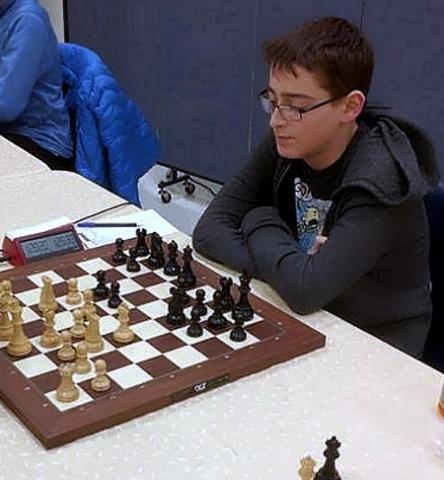
Although the anti-Grunfelds scored badly, it wasn't because Black came out of the opening with an advantage... or even equality. Rather, these games were decided like most are: by good moves versus mistakes after move 25.
Our two annotated games are: Hay - Vettese, and Atanasov - Ning.
[Event "Ontario Junior Ch."]
[Site "Mississauga"]
[Date "2018.01.27"]
[Round "2"]
[White "Hay, Jonathan"]
[Black "Vettese, Nicholas"]
[Result "0-1"]
[ECO "A45"]
[WhiteElo "1944"]
[BlackElo "2295"]
[Annotator "John Upper"]
[PlyCount "71"]

1. d4 Nf6 2. Bf4 g6 3. Nc3 d5 4. e3 Bg7 5. h4 $5 {[#]Caveman-like, but not
unprincipled... and it even scores well: Aronian played this three times in his
2017 Chess.com blitz match against Nepo, winning all three times despite losing the match!} c6 ({
Nepo castled into it twice...} 5... O-O 6. h5 c5 (6... Nxh5 $2 7. Rxh5 $1 $16
gxh5 8. Qxh5 Nd7 9. Bd3 Nf6 10. Qh4 $16 {White has too many attacking options.}
) 7. hxg6 fxg6 8. dxc5 b6 9. cxb6 Qxb6 10. Rb1 Nc6 11. Nf3 Qa5 12. Nd2 Ng4 $2
13. Nxd5 $1 Nxf2 (13... Qxd5 14. Bc4 $18) 14. Kxf2 e5 15. Bc4 Be6 (15... exf4
16. Ne7+ Kh8 17. Nxg6#) 16. Ne7+ Nxe7 17. Bxe6+ {1-0 (17) Aronian,L (2789)
-Nepomniachtchi,I (2751) chess.com INT 2017}) (5... h5 6. Be2 O-O 7. Nf3 c5 8.
dxc5 Qa5 9. O-O Qxc5 10. Nb5 a6 11. Nc7 Ra7 12. Nb5 axb5 {avoiding the draw by
repetition} 13. Bxb8 Ra8 14. Be5 b4 15. Bd4 $11 {in Naiditsch,A (2702)-Carlsen,
M (2838) Karlsruhe/Baden-Baden 2017 (½-½, 42), a game which finished in a
repetition with a Q+3 vs RRB.}) 6. Be2 h5 7. Nf3 Qa5 (7... Bg4 8. Ne5 Bxe2 9.
Qxe2 Nbd7 10. O-O-O e6 11. Kb1 Qe7 12. f3 Nb6 13. e4 Nfd7 14. Bg5 Bf6 15. exd5
exd5 16. Bxf6 Nxf6 17. Rhe1 O-O-O 18. Qd2 $14 {1-0 (47) Wei,Y (2748)-Garcia,J
(2443) Ashkhabad, 2017.}) 8. Qd2 Bf5 9. O-O Nbd7 10. Bd3 Bxd3 11. cxd3 $1 Qb6
12. Ne5 O-O {[#] White's next few moves seem a bit passive -- he might aim for
a minority attack with b2-b4-b5 -- but he's also playing a much higher rated
player, so a draw would be OK and his moves keep things level, challenging
Black to do something.} 13. b3 a5 14. Rab1 e6 15. Rfc1 Qa6 16. a3 Rfc8 17. Na4
Nxe5 18. Bxe5 $11 Nd7 19. Bxg7 Kxg7 20. Nc5 Nxc5 21. dxc5 $1 {[#]Material is
equal and there are no open files for the majors; Black's Q is a bit strange
on a6, but it's not so far from getting into the game.} e5 22. g3 (22. f4 $5 {
trying to open lines while the Black Q is offside;} exf4 23. exf4 $14 (23. Rf1
$5 {and White gets the initiative.})) 22... Re8 $11 23. Qc3 Rad8 {Black's Rs
are now ready for to break in the center with ...d4 so White closes.} 24. d4 (
24. f4 $4 {tempting, but terrible} d4 $1 $19 25. exd4 exd4 26. Qc4 (26. Qc2 Re3
{forking d3 and g3.}) 26... Re3 27. Kf2 Rxd3) 24... e4 25. Rc2 $6 (25. b4 {
makes the most of White's R position.}) 25... g5 $1 {Classic. Black sacs only
one pawn but gets the open file and the attacking chances (thank you, e4-pawn).
} 26. hxg5 h4 $1 27. Kg2 Rh8 28. Rh1 hxg3 {[#]Black has done a much better job
coordinating and activating his Rs. White now has to be very careful.} 29. Rxh8
$2 (29. fxg3 $4 Rxh1 30. Kxh1 Qf1+ 31. Kh2 Rh8#) (29. Rh6 Rxh6 30. gxh6+ Kxh6
31. fxg3 $11) (29. Qe1 $1 Rxh1 (29... gxf2 $4 30. Qxf2 $18) 30. Qxh1 Rh8 {Only move.} 31.
Qd1 $1 a4 32. b4 (32. bxa4 Qxa4 33. fxg3 $11) 32... Qd3 33. Rd2 $1 (33. Qxd3 $2
exd3 34. Rd2 gxf2 35. Rxd3 (35. Rxf2 Kg6 36. Rd2 Kxg5 37. Rxd3 Kf5 38. Kf3 Rh3+
$19) 35... Rh2+ 36. Kf1 Kg6 $19 {exchanging on f2 leaves Black with a winning
pawn ending due to the spare tempi from his f-pawn.}) 33... Qxa3 34. Qg4 {Only move.} {
draws, for example} gxf2 35. Rxf2 Qxe3 36. Rxf7+ $11 {and White has a
perpetual.}) 29... Rxh8 30. fxg3 Qa8 $1 31. Kg1 (31. Qe1 Qc8 32. g4 $1 {
stopping ...Qh3+} Qxg4+ 33. Qg3 Qxg3+ $1 34. Kxg3 Rh5 $1 $19 (34... Kg6 $2 35.
Rf2 $11) 35. Kf4 Kg6 {Only move.} 36. Rg2 Rh4+ {Only move.} 37. Ke5 Rh3 {Only move.} $19) 31... Rh3 $1 32.
Rg2 Qh8 33. Kf2 Qa8 $4 34. Kg1 $4 {maybe DGT input errors?} Qh8 35. Kf2 Rh1 $1
36. Qd2 {The last move in the DGT feed. White may have lost on time, but his
position is clearly lost.} (36. Qd2 Qh3 $19 ({or} 36... Ra1 $19 {and ...Qh1.}))
0-1


[Event "Ontario Junior Ch"]
[Site "Mississauga"]
[Date "2018.01.28"]
[Round "5"]
[White "Atanasov, Anthony"]
[Black "Ning, Eric"]
[Result "0-1"]
[ECO "D94"]
[WhiteElo "1904"]
[BlackElo "1973"]
[Annotator "John Upper"]
[PlyCount "94"]

1. d4 Nf6 2. Nf3 g6 3. c4 Bg7 4. Bf4 {[#] This line is
considered harmless, and Black gets an equal game in well-known ways. OTOH, if
-- as seems to be the case -- Black gets an equal game in the more complex and
research-intensive main lines of the Grunfeld, maybe this is a good
anti-Grunfeld line: a Grunfeld player will almost certainly have spent much
more time on the main lines, and so if White really studies these Bf4
middlegames then maybe White will be able to outplay Black from them!?} O-O 5.
Nc3 d5 6. e3 {"A harmless variation." - Kasparov, "Kasparov on Kasparov v.3".}
c5 7. Be2 (7. dxc5 {"The only critical move should White want to prove
anything in the opening. Instead, allowing Black to exchange on d4 either
results in a typical IQP position with good chances for Black, or in the
concession of central space." - Yelena Dembo, "Play the Grunfeld" (Everyman,
2008)} Qa5 (7... Ne4 $5 8. Rc1 Nxc3 (8... Nd7 $5) 9. bxc3 dxc4 10. Qxd8 Rxd8
11. Bxc4 Nd7 $11) 8. Rc1 (8. cxd5 Nxd5 9. Be5 Nxc3 10. Qd2 Bxe5 11. Nxe5 Qxc5
$15 {with bettter structure and a slight lead in development}) 8... dxc4 9.
Bxc4 Qxc5 {White has options, but nothing has proven to give an advantage.})
7... cxd4 8. exd4 Nc6 9. O-O {Black is a tempo up on the strong GM game
Laznicka-Raggar (Bundesliga 2016-17), where Black had played ...d6, ...c5, ...
cxd4 then ...d6-d5. There, White continued 10.h3 and... managed to hold a draw
on move 126.} Bf5 (9... Bg4 $5 10. h3 Bxf3 11. Bxf3 dxc4 12. d5 (12. Bxc6)
12... Nb4 13. Bg3 Qa5 14. Qe2 Nfxd5 15. Nxd5 Nxd5 16. Qxc4 e6 $15 {1/2-1/2 (28)
Flohr,S-Van den Bosch,J The Hague 1932}) 10. a3 Rc8 11. h3 h5 $5 12. Rc1 Kh8 $2
{Possibly thinking that he would get to play ...Rg8, then ...g5-g4!?} (12...
dxc4 {Going into an IQP would be normal.}) 13. c5 Ne4 {[#]} 14. Na4 $6 {
Another hard-to-understand move. Was White worried about a sac on d4 or wanted
to over-defend c5?} (14. b4 $1 Nxc3 (14... Nxd4 $2 15. Nxd4 e5 16. Nxf5 gxf5
17. Nxe4 (17. Bd2 $18) 17... exf4 18. Nd6 $18) 15. Rxc3 e5 $2 16. Nxe5 Nxe5 17.
Bxe5 Bxe5 18. dxe5 d4 {might have been a worry, but White has several good
moves, including} 19. Rf3 $1 $16 (19. Rc1 $2 {is "natural" but not nearly
White's best} d3 20. Bf3 d2 {Black has some comp.})) 14... e6 15. Be3 Bf6 $5 {
Clearing the g-file indicates that Black has come up with a plan: push ...g4
and play for mate. Even so, the immediate ...g5 was possible.} 16. b4 Kg7 17.
b5 Ne7 18. Bf4 g5 19. Be5 $6 Ng6 $1 20. Bh2 $6 {[#]} (20. Bxf6+ Qxf6 21. Nh2
Nf4 $1 (21... g4 $1)) 20... Rh8 (20... g4 $1 {is very strong. Just to
illustrate one set of attacking possibilities:} 21. hxg4 hxg4 22. Ne5 Bxe5 23.
Bxe5+ Nxe5 24. dxe5 Rh8 25. g3 (25. Bxg4 Qh4 26. Bh3 Bxh3 $19) 25... Qg5 26.
Kg2 {Trying to get in Rh1 to defend the h-file.} Rh2+ $1 {the fastest of
several wins.} 27. Kxh2 Qh6+ 28. Kg2 Qh3+ 29. Kg1 Rh8 {and mate next.}) 21. b6
a5 $2 {This could have been a costly waste of time, though one can understand
why Black would be worried about giving White play with bxa7 and Nb6 or Bb8.} (
21... g4 22. Nd2 (22. Bc7 Rxc7 $1 23. bxc7 Qxc7 24. Nh2 gxh3 25. g3 Nxf2 $1 26.
Kxf2 h4 $1 $19) (22. hxg4 hxg4)) 22. c6 $1 Rxc6 {[#]} 23. Bc7 $4 (23. Rxc6 {Only move.} {
turning the b6 pawn into a dangerous passer} bxc6 24. b7 {with threats! Black
has to block the diagonal to b8 with} Nf4 $13 {or ...Nd6 and the game is up
for grabs.}) 23... Rxc1 24. Qxc1 Qc8 $17 {Black is now up a pawn with an
attack, but now seems to shift into a safety-first mindset. After having
played the early middlegame so creatively to come up with a kingside attack,
he plays the next few moves as if hypnotized by the b7 pawn.} (24... Qe7 $1 25.
Nc5 g4 $1 26. Nh2 Bxd4 27. Nxb7 g3 $19 28. Nf3 Bxf2+ 29. Kh1 (29. Rxf2 gxf2+
30. Kf1 e5 31. Bd3 Bc8 32. Nxa5 f6 33. b7 Bxb7 34. Nxb7 Rc8) 29... e5 30. Nd8
Rxd8 31. b7 Ba7 $19) 25. Qb2 Rh7 26. Rc1 Qa8 $6 (26... g4 $1) 27. Bb5 g4 28.
Nh2 Bg5 29. Rc5 $5 {[#]a clever try, hoping N takes on c5 will trade a
kingside attacker while imporving the Na4.} Nf4 ({Black can actually take the
R, but has to see how to diffuse White's queenside play:} 29... Nxc5 30. dxc5+
Bf6 31. Qc1 {now c5-c6 would give White great play, but Black has} Be5 $3 32.
c6 bxc6 (32... Bxc7 $4 33. bxc7 bxc6 34. Nb6 $18) 33. Bxc6 Qc8 {and the
blockade (with ...Rh8) should hold.}) 30. h4 $1 Bxh4 31. Bxf4 (31. g3 $4 Nh3+ {
saves the piece and keeps a crushing advantage.}) 31... Bxf2+ (31... Nxf2 $4
32. Rc7 {turns the game around: White threatens Nc5.}) 32. Kf1 $1 (32. Kh1 $2
Qd8 {and the Q returns from the dead, landing on h4 with a bang.}) 32... g3 {
[#]} 33. Nf3 $2 ({The terrible Qa8 gives White chances, as a safe Rc8 would
win it.} 33. Qc1 $3 gxh2 {Only move.} 34. Bxh2 {Threatening Rc8} Rh8 35. Be5+ Kg6 $1 (
35... f6 36. Nc3 $1 Kg6 $1 (36... Nxc5 $2 37. Qg5+ $11) 37. Nxe4 dxe4 (37...
Bxe4 38. Bxf6 $1 Kxf6 39. Kxf2) 38. Kxf2 fxe5 {with a mess.}) 36. Bd3 Bh4 (
36... Bg3 $2 37. Bxe4 Bxe4 38. Bxg3 $18) (36... Nxc5 37. Nxc5 {with a mess.})
37. Rc7 {Black is up two pawns, but the game is still up for grabs, and the
second-last mistake will still win.}) 33... h4 {Only move.} {Otherwise there will be a
Nh4.} 34. Ng1 (34. Qc1 {is too slow, but only if Black finds only moves:} h3 {Only move.}
35. Be5+ Kg6 $1 36. gxh3 g2+ {Only move.} 37. Kxg2 Bxh3+ $19) 34... h3 $1 35. gxh3 Bxh3+
36. Nxh3 Rxh3 37. Rc1 Rh1+ 38. Kg2 Rh2+ 39. Kf3 Qh8 $1 40. Be5+ f6 41. Bxf6+ {
Desperation.} (41. Rc7+ Kg6 $19) 41... Kxf6 42. Ke2 Bxd4+ 43. Kd3 Bxb2 44. Rf1+
Nf2+ 45. Kc2 Ke7 46. Nxb2 Ne4+ 47. Kd3 Qc3# 0-1
..
..