

Better to give a "Greek Gift" than receive?

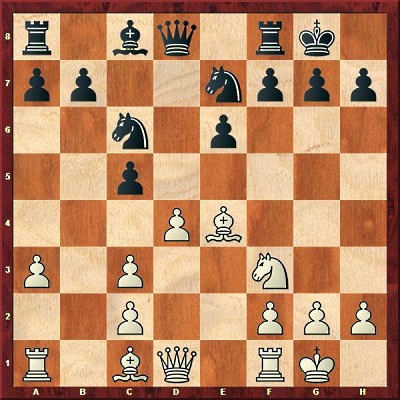
If White had a pawn on e5 then Bxh7+ would be automatic: it's an obvious win.
But is Bxh7+ any good here?
Black's only chance would be to take the Bh7, so the critical line is: 10. Bxh7+ Kxh7 11. Ng5+ and now Black has to choose where to put his King:
11... Kh6 or 11...Kg8 or 11...Kg6.
if 11... Kh6:
11...Kh6?? 12. Nxf7+ +- White wins the Qd8 and two pawns for two minor pieces. Spoiler: Highlight to view
if 11...Kg8:
In the game Kevin Pacey - David Forget (RA November Open, 2013.11.10) Black lost after: 11...Kg8? 12. Qh5 +- Re8 13. Qh7+ (13. Qxf7+ Kh8 14. Re1 also wins.) 13... Kf8 14. Qh8+ Ng8 15. Nh7+ Ke7 16.Qxg7 Kd7 17. Bg5 Nce7 18. dxc5 1-0 Spoiler: Highlight to view
if 11... Kg6:
Black's only move is 11... Kg6. After this White has the choice of playing a line which forces a draw, or playing for more. White can force a draw with the most "normal" continuation: 12. Qg4 f5 13. Qg3 f4 transposes to the next line. 12. Qd3+ f5 13. Qg3 f4! (13... Kf6? 14. Bf4 with initiative.) 14. Bxf4 Nf5 only move 15. Qg4 (15. Qh3?! Rh8 16. Qd3 e5! =/+; 15. Qd3!? e5 16. Bc1 cxd4 17. g4 dxc3 18. gxf5+ Bxf5 19. Qg3 unclear) 15... Nh6 16.Qg3 Nf5= with a draw by repetition. But White can also play for more with: 12.h4! which may actually lead to an advantage, though the position is too complex for a definitive analysis. White's immediate threat is h5+, forcing the Black K off its only safe square. I'll consider three defences: 12...Nf5 trying to make space for the K on e7; 12...Rh8 to stop h4-h5+; 12...f5 stopping Qg4. 12... Nf5? 13. Qg4! Qd5 only move 13... Nh6? 14. h5+ Kf6 15.Nh7+ Ke7 16. Qxg7 +-; 13... Kf6 14. Nxe6! +-. 14. Nxe6+! Kh7 15. Nxf8+ Kg8 16. Qh5! +/-. 12... Rh8 13. Qg4! (13. Qd3+? Nf5!-/+) 13... f5! (13... e5? 14. Ne6+ Kf6 15. Bg5+ wins.) 14. Qg3 Kf6 (14... f4!? 15. Qxf4! with initiative.) 15. Bf4 Qd5 16. c4!? Qxd4! 17. Nf3 unclear. 12... f5 13. h5+ Kf6 14. Re1 cxd4 14... Rh8 15. Qe2 (threatening Qxe6 mating, an important tactical resource created by ...f5) Qd6 (15... Qd5 16.Bf4! White will gain more tempi off the Qd5 by c4 and Rad1.) 16. dxc5 Qe5 17. Be3 White keeps the Queens on and still has a strong attack, the key point being that f4?? 18. Bd4 +- wins the Black Q by deflecting the Nc6. 15.cxd4 Qxd4 16. Qe2 the only move which doesn't lose. And now: 16... Qxa1?? 17. Qxe6+ Bxe6 18. Rxe6#. 16... Qd6 17. Qf3! Qd4 18. Rb1 and it's hard to find good moves for Black. Although White is still down a piece for a pawn, he can get some material back with Nh7+. 16...f4! 17. c3 Qa4 18. Nxe6 Bxe6 19. Qxe6+ Kg5 20. Rb1 and the position is still unclear: for the piece, White has an exposed Black K but only one pawn. Spoiler: Highlight to view
Enough with the variations already! I just want to know: is it a good move or not??
It's good enough: White can choose to play a line where he's not worse (a repetition) or try for more. It may not be the best move: White has an advantage in the starting position (B-pair and development) and Bxh7+ may sell this too cheaply. Instead, 10.dxc5 creates a very unbalanced middlegame where White's Bishops and open lines give him a clear plus, although without producing the psychological pressure that a direct kingside attack creates. Spoiler: Highlight to view
For more detailed analysis, see the December CCN.